anticipate
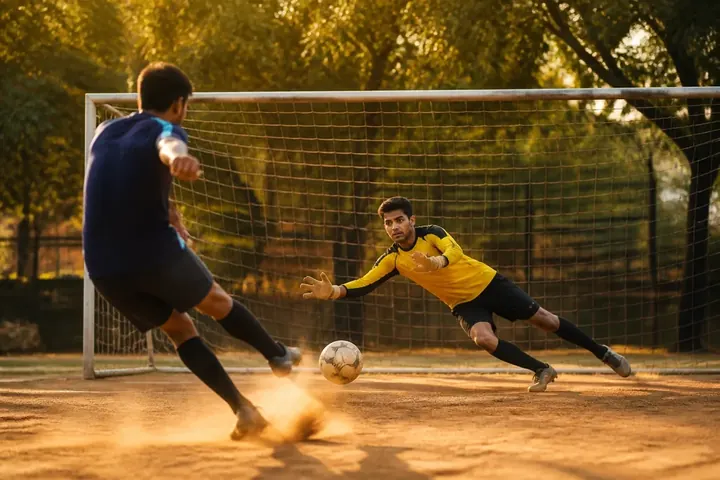
To expect something to happen and often prepare for it in advance.
When you anticipate a problem, you see it coming before it arrives. Good planners anticipate questions and prepare answers early.
anticipate meaning in Hindi
पूर्वानुमान करना; किसी बात की अपेक्षा करके पहले से तैयारी करना
जब आप किसी समस्या का पूर्वानुमान करते हैं, तो उसके आने से पहले ही उसे देख लेते हैं। अच्छे योजनाकार प्रश्नों का अनुमान लगाकर जल्दी उत्तर तैयार करते हैं।
Examples
- Organisers anticipate a crowd of over fifty thousand at the stadium.आयोजकों को स्टेडियम में पचास हज़ार से अधिक लोगों की भीड़ की अपेक्षा है।
- Try to anticipate the questions an interviewer might ask about your CV.साक्षात्कारकर्ता आपके सीवी के बारे में क्या पूछ सकता है, इसका पहले से अनुमान लगाने की कोशिश करें।
Synonyms & antonyms
Memory trick
ANTI-cipate: 'ante' means before, so you act BEFORE it happens.
💡 Did you know?
In sport, good goalkeepers anticipate the direction of a penalty and start moving before the ball is struck.
Word origin
From Latin anticipātus, from anticipāre, 'to take before', from ante- ('before') + capere ('to take'). To anticipate is to 'take hold of' something before it arrives — getting ready for it in advance. It is related to 'capable' and 'capture'.
Other meanings
noun the feeling of excitement or expectation about something that is going to happen
anticipate meaning in other languages
| Hindi · हिन्दी | पूर्वानुमान करना; किसी बात की अपेक्षा करके पहले से तैयारी करना |
| Arabic · العربية | يتوقع؛ ينتظر حدوث شيء ويستعد له مسبقًا |
| French · Français | anticiper ; prévoir quelque chose et s'y préparer à l'avance |
| Indonesian · Bahasa Indonesia | mengantisipasi; memperkirakan sesuatu terjadi dan bersiap lebih dulu |
| Chinese · 中文 | 预料;预期某事发生并提前做准备 |
Quick check
What does “anticipate” mean?
Practise “anticipate” in the WordVizo app
Picture quizzes, a memory ladder that brings words back before you forget them, and 60,000+ words. The Android app is coming soon.
Get notifiedMore words to learn
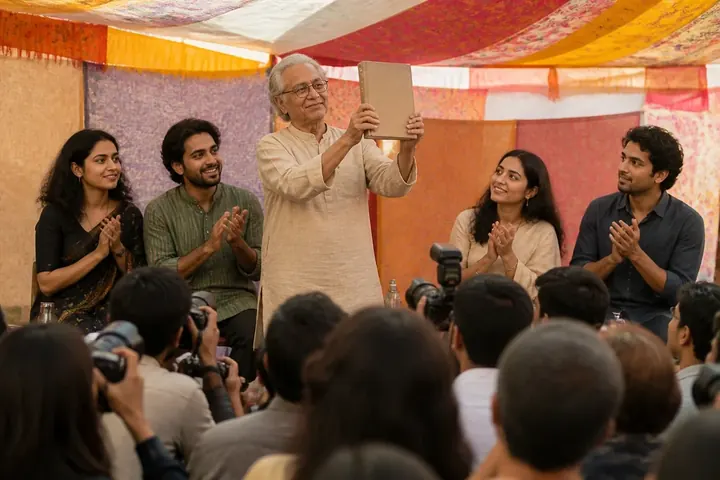
a collection of poems, stories or other writings by different authors
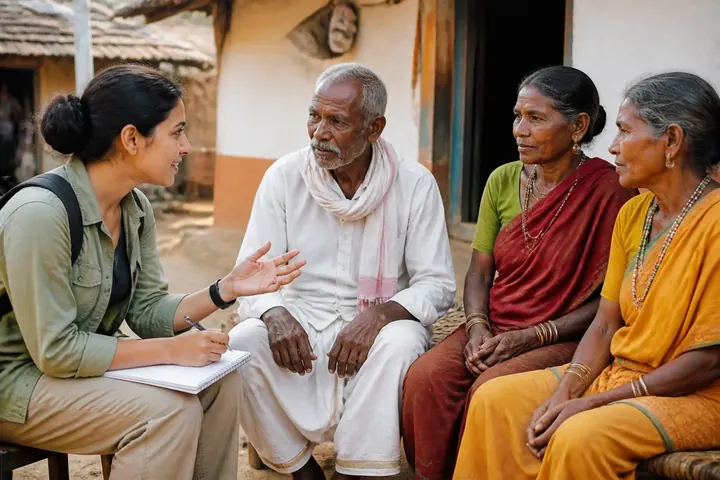
relating to the study of human societies and cultures
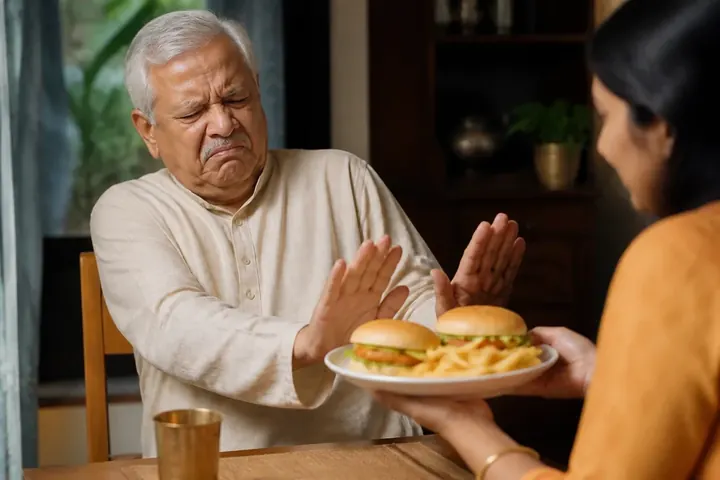
Opposed to or against a person, idea or plan.

old and valuable, usually made a long time ago
a substance that kills germs and prevents infection, used on skin and

a feeling of worry or nervousness about what might happen